• Download and Watch without watermark videos -- (HERE)

  • Download Indiasocialbook Android Native App (HERE)

The Meta Supervisory Board criticized the company for its 'hastily announced' changes to its policy on hate speech


The board confused more than helped protect the internet's trans community.​


The Oversight Board governing Meta, Facebook's parent company, has upheld its decision to keep two videos that were reported for hate speech and harassment on the platform, while providing guidance for the company. The decision was taken in light of changes to Meta's Hateful Conduct Policy in January.

The Board began its investigation into the two posts in August. One of the videos showed a trans woman being harassed in a bathroom by another woman who repeatedly misgendered the trans woman and questioned why she should be allowed to use the women's restroom. The caption declares that the trans woman is a "male student who thinks he's a girl." The second video shows a trans woman winning a track race while being glared at by the spectator. The caption identifies her as a "boy who thinks he's a girl" and includes a young person's full name.

In its ruling, the Board said, "Debates around policies concerning the rights and inclusion of transgender people are permitted, as are offensive views under international human rights law. Yes, you saw 'offensive viewpoints' and 'permitted' in the same sentence." And the majority of the Board said they couldn't find a strong enough "link" between these posts and harm to trans individuals. They didn't see the posts as "constituting" harassment or bullying.

"Debates continue in the public domain about transgender women and girls' access to women's bathrooms and their participation in sports, involving a range of human rights considerations. A high bar is to be set for the restriction of such speech," the Board's decision said.

The Board insists that its ruling was not influenced by Meta's "sudden policy change" but is more focused on content and enforcement. "Meta should identify how the policy and enforcement updates may adversely affect the rights of LGBTQIA+ people, including minors, especially where these populations are at risk," the Board said. "It should take steps to address and/or mitigate these risks and assess their effectiveness. Meta should also update the Board on progress every six months, reporting publicly immediately."

The Board alluded to one specific point in Meta's update policy. "We do allow allegations of mental illness or abnormality when based on gender or sexual orientation, given political and religious discourse about transgenderism and homosexuality and common non-serious usage of words such as 'weird.'" The Board recommends that Meta take the word "transgenderism" out from the sentence, something that groups like Human Rights Campaign have pointed out is a "troubling alignment with anti-LGBTQ+ political rhetoric."

Google will allow third-party cookies to stay on Chrome


- It won’t rid tracking cookies or push out user boxes to opt out of them.​


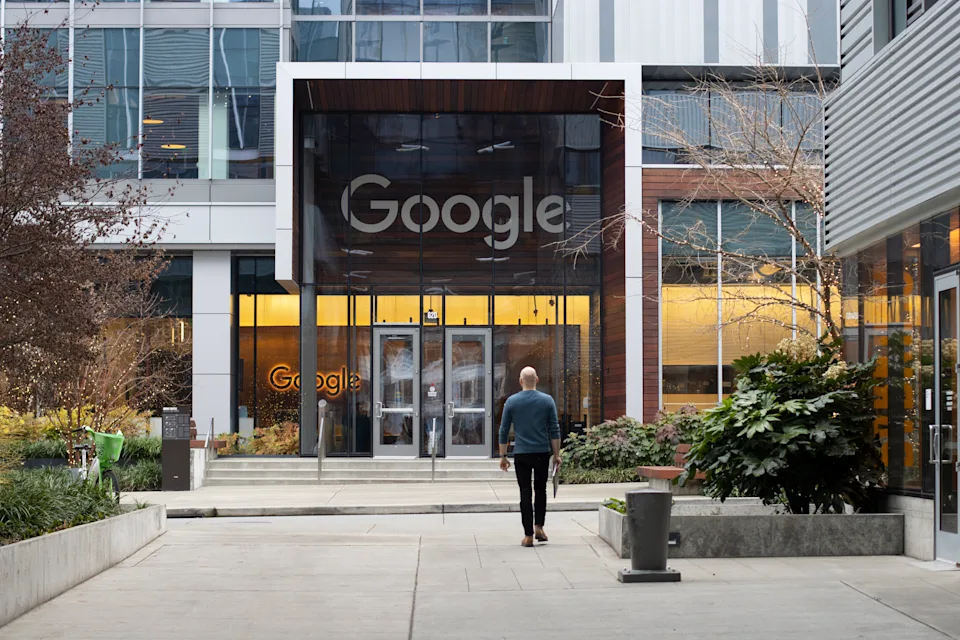
Google is not going to do anything to change how third-party cookies work in the Chrome web browser. Rather, as announced by Google VP for Privacy Sandbox Anthony Chavez, the company has "decided to maintain [its] current approach to giving users third-party cookie choice in Chrome." It will also not "roll out a new standalone prompt for third-party cookies," an option that would have allowed users to opt out of tracking by advertisers. Google's announcement comes after a federal judge ruled it held an illegal monopoly in online advertising.

The firm had initially pledged to phase out third-party tracking cookies in 2022 as part of its Privacy Sandbox initiative, which aims to make the web more secure and private to use. But a series of setbacks and regulatory roadblocks — the UK's Competition and Markets Authority (CMA) and the US Department of Justice both looked into Google's initiative for fear it could harm smaller advertisers — pushed off the planned deprecation to 2024 and then later to 2025.

Google had ultimately decided last year that it wouldn't kill off third-party cookies and would instead bring in "a new experience in Chrome that lets people make an informed choice that applies across their web browsing." That new experience has yet to materialize. In the new announcement, Chavez said that the ecosystem has evolved significantly since the launch of the Privacy Sandbox initiative, and that Google has taken into account new privacy-enhancing technologies that protect people as they browse the web when forming its decision.

Despite scrapping all of its plans to remove third-party cookies from Chrome, the tech giant will still keep the Privacy Sandbox initiative running. According to Chavez, Google will keep enhancing tracking protections in Chrome's incognito mode, like launching IP Protection later this year, and is working to improve features including Safe Browsing, Safety Check, and built-in password protections.

OpenAI's ready to grab Chrome... if Google's gotta sell it


But it's probably not the only one looking.​


Google is being closely watched after a court said last year it controlled too much of online search. Yet, what will happen to all its online tools is not clear yet. Last month, the Justice Department hinted that Google might have to let go of the Chrome browser. If they do, there's already someone wanting to buy it.

Today, Bloomberg shared that Nick Turley, who leads ChatGPT, talked at a hearing about Google's monopoly issue. When asked if OpenAI would want to buy Chrome, he said, “Yes, we would, as would many others.” Right now, you can use ChatGPT on Chrome with a plugin. But Turley said owning Chrome could let them mix it deeper. If OpenAI got Chrome, they could show what an AI-first experience looks like...

Chrome isn't the only thing Google might have to give up. Another judge said this month that Google has also played unfair in online ads. It's no shock that other big tech names would want to snap up Google's hit services. The big question is—can any of them buy something without creating a new monopoly? For now, while people talk about breaking it up, the DOJ lets Google keep investing in AI. But giving Chrome to OpenAI could spark new worries. Justice moves slow, so we'll wait to see what happens with Google.

Google gives Samsung a ton of money... to put Gemini on phones right away.

It showed up in a big legal fight about the search company being too controlling.​


Google has been giving Samsung a lot of money each month to put the AI app Gemini on its phones, says a Bloomberg report. This info is part of a bigger antitrust case against Google.

Google's Peter Fitzgerald said in court that they started paying Samsung in January. They have a deal for at least two years.

Fitzgerald explained to Judge Amit Metha that Google pays Samsung a fixed amount each month plus a share of what they make from ads in the Gemini app. We don't know how much, but DOJ lawyer David Dahlquist called it a "huge amount."

This case began with claims that Google was unfairly controlling the search engine market. Testimonies have shown that Google paid companies like Apple and Samsung to make sure it was the default search engine on their devices.

Judge Mehta said this was against antitrust law. He's listening to more testimonies to figure out how to fix this issue. This is where we learned about the Gemini deal.


In another case about Epic Games, it came out that Google gave $8 billion from 2020 to 2023. This was to make sure Samsung phones used Google Search, the Play Store, and Google Assistant by default. Later, a judge in California said Google can’t keep other markets and payment methods out. Now, Google is trying to fight that decision.

And... if Google really wants to throw around huge money to get more people to use its new AI app, why not share some with the folks stuck using all that extra stuff? Just a thought.

Filter